
Body Image in the Ozempic Era


Four years ago, I wrote an article for U.S. News & World Report about the approval of semaglutide as a medication for weight loss. At the time, I was skeptical that a drug could do what no other drug (or behavioral change) had previously done: facilitate sustained, significant weight loss.
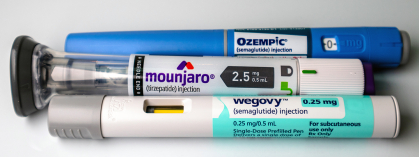
Now, nearly everyone has heard of semaglutide (brand names Wegovy and Ozempic) and its cousin tirzepatide (Zepbound and Mounjaro). No medication since Viagra, which was approved in the 1990s, has generated as much attention as these GLP-1 and GIP receptor agonists. However, I remain skeptical.
Before I explain, I want to clarify that I firmly believe in body autonomy. If someone chooses to take a weight loss medication, they should be able to do so without judgment. I hope all potential users are fully informed about the risks and benefits of these medications and are followed responsibly by medical providers.
Ideally, they would also be screened for a current or past eating disorder or any other condition that might contraindicate the use of GLP-1s and GIPs. I also recognize the substantial data supporting the use of these drugs in treating health conditions like diabetes.
But how effective are these medications at enabling sustainable weight loss? And do they improve body image? These are questions for which we don’t yet have concrete answers.
In my view, “sustainable” should mean lasting for many years—ideally, a lifetime. Yet the longest longitudinal study on these drugs followed participants for just four years, and most existing research spans only one or two years.
These studies suggest a 10–15% reduction in body weight over that time frame but also reveal a high discontinuation rate; 31% of participants in the longest study did not complete it, possibly due to aversive side effects.
As a body image scientist, I’m deeply invested in understanding whether these drugs improve body image—or conversely, worsen it. This ties into a longstanding, chicken-and-egg question in body image research: Does body image improve when a person changes their body, or does it improve as a result of internal psychological shifts? Is it an “inside job” or an external project?
Unfortunately, with the exception of a recent study I published in the journal Body Image (with co-authors August, Malik, and Richeson), there is no research on the relationship between weight loss medications and body image. Our study is a preliminary attempt to explore whether body image concerns are motivating people to consider weight loss drugs. In other words: Are appearance-based goals driving interest in these medications?

In a sample of 225 young adults, we found that the strongest predictors of interest in trying weight loss medications were body size, prior weight loss attempts, and concerns about weight. However, individuals who had previously tried “healthy” 1approaches to weight loss (e.g., increasing fruit and vegetable intake and exercising) were less likely to express interest in these drugs.
Those who had engaged in maladaptive strategies (e.g., skipping meals, laxative abuse) were more likely to express interest. This may suggest that individuals who are more desperate to lose weight, regardless of long-term consequences, may be more open to pharmaceutical options.
The finding I found most relevant to my core question was that body appreciation interacted with weight concerns in predicting interest in using weight loss drugs. When researchers identify an “interaction,” it means that the combination of two variables yields a different outcome than either variable alone. (These types of interactions are not entirely different from two medications interacting or alcohol affecting the efficacy of your antibiotic.)
In this case, we found that individuals with weight concerns were more likely to want to try weight loss drugs—unless they reported high levels of body appreciation. That is, feeling respectful, grateful, or compassionate toward one’s body appeared to reduce the desire to change it, even among those concerned about their weight.
This is an important insight: increasing body appreciation may reduce people’s interest in pursuing weight loss solely for appearance-based reasons. Clinicians, especially those who work with eating disorder patients, have long emphasized that changing your body does not necessarily improve body image or self-esteem. If it did, people who lost weight through dieting or disordered eating would feel satisfied—but often, they feel worse: anxious, irritable, and physically unwell.

One of my favorite analogies is the experience of getting a great haircut. At first, everyone notices and compliments you, and you might feel more attractive than ever. But eventually, that attention fades and everyone, including you, acclimates to your new haircut and it stops sparking joy.
What if weight loss from a drug like Wegovy offers a similar short-term boost, and people are ultimately left with GI distress, disinterest in food, and the other side effects these medications often bring?
We need much more psychological research to understand whether—and how—weight loss medications affect body image over time.
1Arguably, most attempts at weight loss are not healthy and are not sustainable. Healthy is meant in a relative sense here.
Adapted with permission from Dr. Markey’s Body Talk Substack


