SPARK! Ignites Campuswide Celebration of Research, Creativity, and Collaboration at Rutgers University–Camden

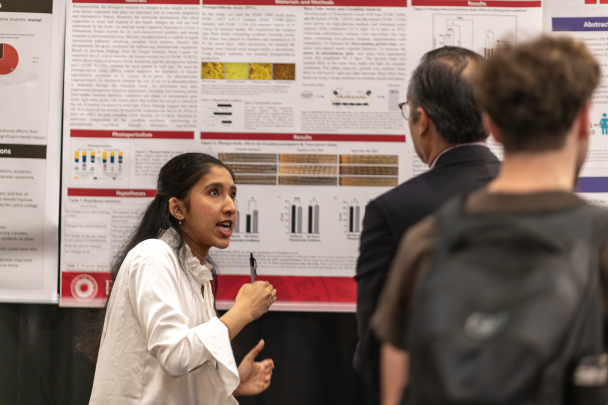
SPARK!, the evolution of Rutgers–Camden’s longtime Research Week, returned this April as a vibrant, campuswide showcase of research and creativity. The expanded program featured faculty lectures, research symposia, student workshops, poster exhibitions, and creative presentations across the sciences, arts, and business, reflecting the breadth and impact of work across the university.
Highlights included graduate flash talks, the School of Business pitch competition, community-engaged scholarship programs, the Celebration of Undergraduate Research and Creative Activity, faculty development sessions, and research awards. Together, these events created dynamic opportunities for the campus community to share ideas, highlight achievements, and connect across disciplines.

“SPARK! represents the best of Rutgers University–Camden: the creativity, rigor, collaboration, and community engagement that define our research culture,” said Tom Risch, vice chancellor for research at Rutgers–Camden. “What began as Research Week has grown into a broader campuswide celebration that showcases not only traditional scholarship, but also creative work, student achievement, public scholarship, entrepreneurship, and the many ways our faculty, students, and staff generate impact across disciplines and beyond the university.”
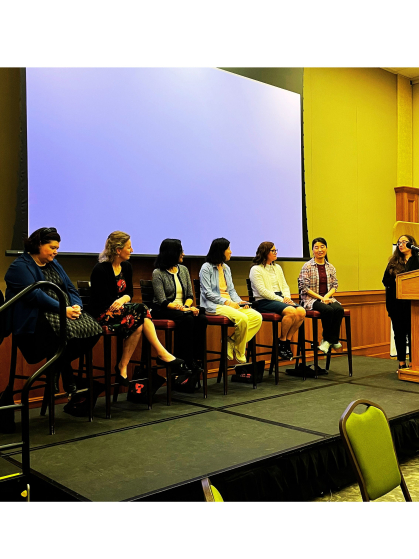
A centerpiece of the week was the Clare Boothe Luce Distinguished Lecture and panel, which focused on advancing women in STEM and fostering inclusivity and excellence. The keynote, “Pushing the Limits of Photonics and Microelectronics for Next-Generation Information Technology,” was delivered by Deirdre O’Carroll, associate professor in the departments of materials science & engineering and chemistry & chemical biology at Rutgers–New Brunswick.

“The growing demand for higher data volumes, faster data processing speeds, and improved energy efficiency is driving innovations in photonics —the science and technology of generating, controlling, and detecting light —and microelectronics,” O’Carroll said. “As photonics and microelectronics continue to converge, approaches to data management and communications are expected to evolve significantly, particularly with the rapid advancement of artificial intelligence.”
Following the keynote, O’Carroll joined Rutgers–Camden faculty for a panel discussion offering guidance on building and navigating careers in academia and STEM fields. Speakers emphasized both the opportunities and challenges facing aspiring researchers, particularly as women remain underrepresented in STEM disciplines, holding a disproportionately small share of roles relative to their participation in the broader workforce.
Grace Brannigan, professor of physics and director of the Center for Computational and Integrative Biology at Rutgers–Camden, encouraged students to engage in research early and broadly.
“Focusing on the kind of research you’d like to pursue is important as a graduate student,” Brannigan said. “But as an undergraduate, it’s just as important to seek out research opportunities without locking yourself into one specific area—explore and try different things.”
O’Carroll urged students to remain open to nontraditional pathways and to build relationships that can lead to new opportunities.
“Universities have become fairly good at providing entry points for students interested in research, but positions can still be quite selective for undergraduates,” she said. “I encourage students to talk to professors and graduate students about their work. Have more than one conversation, build connections, and develop a network that may uncover additional opportunities.”
Suneeta Ramaswami, professor of computer science and associate dean of faculty, underscored the importance of resilience in academic careers.
“While you will spend many years studying in your chosen field, if you pursue academia, you’ll find that you were not necessarily trained to teach or to write the grants needed to sustain your research,” Ramaswami said. “Success inevitably involves failure along the way, and the willingness to learn from those experiences is one of the most important decisions you can make.”
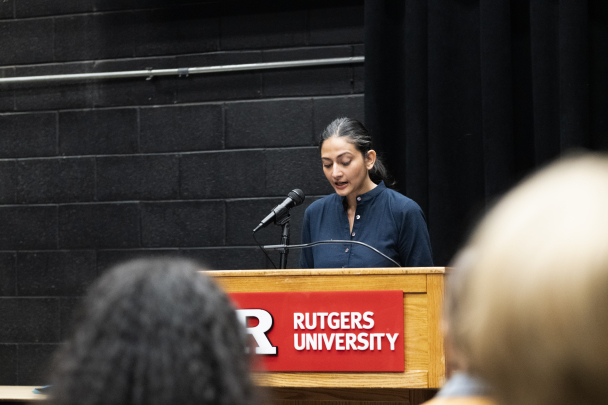
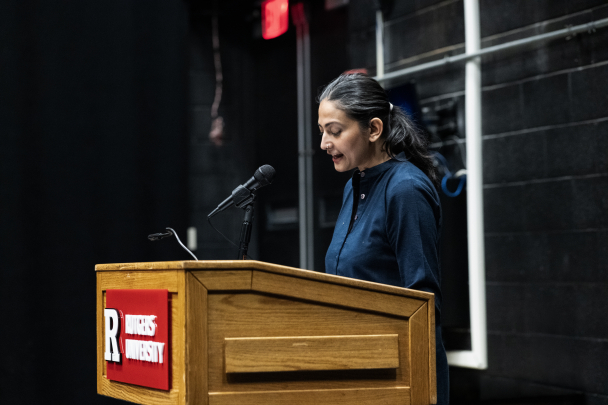
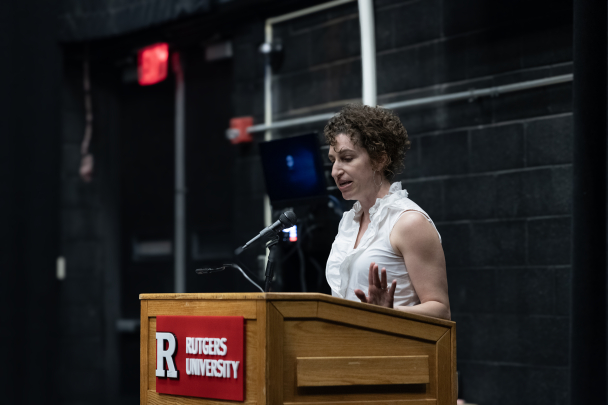
See photos of additional events held during SPARK! below, and see a video about the 2026 Celebration of Undergraduate Research and Creative Activity here.
2026 Graduate Creative Flash Talks





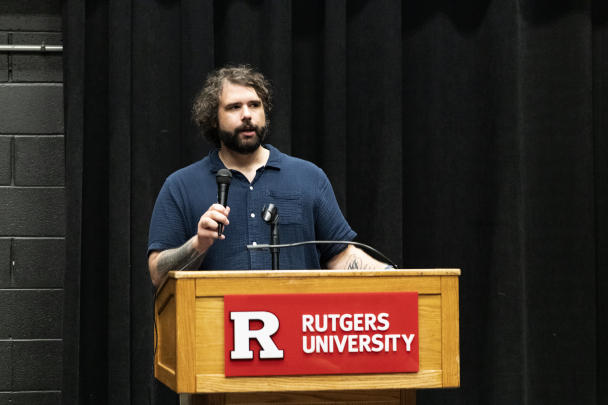

The 2026 Celebration of Undergraduate Research and Creative Activities